
mardi 29 septembre 2009
Zaz Zetoun Mind Feat. {@ Asphyxiation {@} - Sickness Drone Dementia
Son / Video : Zaz Zetoun Mind
Voix : Asphyxiation
Mon ami zaz zetoun mind, j'ai découvert ce trésor ici, cette video m'a frappé vraiment, voici un extrait de Artaud à propos des tarahumaras qui pourrait décrire ce que j'ai senti de tes paysages démentiels: "Le jour où notre moi et notre conscience sont formés il s'est établi dans ce mouvement d'incubation incessant un rythme distinctif et un choix naturel, qui font que seules nos idées propres surnagent dans le champ de la conscience, le reste s'évanouissant automatiquement".
bonne lune!!
E

mardi 22 septembre 2009
HENRI CHOPIN
Small part of the amazing live show of the 85 year old HENRI CHOPIN at colour out of space festival in brighton, september 7/0.
Henri Chopin Wikipédia
vendredi 11 septembre 2009
Herlinda Agustín: De mi abuelita aprendí a curar, dijo que tenía que aprender
Como parte del encuentro Perú mágico, en el Centro Cultural de España (Natalio Sánchez 181, Santa Beatriz), se presentó el documental sobre Herlinda Agustín, curandera y artesana shipiba. Con ella conversamos acerca de su pueblo, sus costumbres y su magia.
"Cuando crecemos, aprendemos lo que nos enseñan nuestros abuelos y abuelitas. De esa manera nosotros seguimos. Las niñas, cuando tienen seis años, aprenden a lavarse, a cocinar, a traer su leña y a ayudar a la mamá. Así, poco a poco. Yo ayudaba a mi mamá a cocinar, a lavar platos y la ropa", recuerda Herlinda Agustín.
¿Y los niños?
Los niños aprenden a traer agua, a pescar, a cazar y las cosas del hombre.
¿Y usted no aprendió nada eso?
Yo sí me iba siguiendo a mi papá. Él picaba paiches y pescados grandes. Antes había. Mi papá les lanzaba las flechas y los subía a la canoa, que era grande también, pero igual se movía y nosotras gritábamos.
Usted se dedica a la artesanía. ¿Aprendió de su mamá?
Sí. Cuando ella hacía cerámica, yo hacía con ella. Me daba bolitas chiquitas para que aprendiera. Cuando bordaba telas, me daba pedacitos. Y para pintar nos daba pinceles de palo. Antes, mi mamá no me quería mandar a la escuela. Ella decía que las mujeres no debían salir. Yo fui aprendiendo cosas de mi cultura nomás, que son cosas que me sirven. Estudié tres años en la escuela, nada más.
¿Cómo se gana la vida?
Hago mis bordados de lo que veo en mis visiones con ayahuasca. Los hago con cánticos. También los pinto. Y con esto vivo yo y también hago que puedan estudiar mis hijos.
¿A qué edad probó ayahuasca por primera vez?
Como a los 20 años. Quería probar porque quería quitarme el miedo.
¿Daba miedo?
Sí. De repente me revolcaba o me gritaba. Pero solo hay que aguantar el ayahuasca. No hay que tener miedo de lo que vamos a ver. Hay que estar nomás dirigiendo el espíritu, el pensamiento y el cuerpo, y uno se marea bien.
¿Quién le enseñó?
Yo miraba a mi abuelo, que era curandero. Él curaba un montón de gente enferma. Mi abuela también. Ella hacía masajes. Yo me sentaba al costado a mirar la ceremonia y le preguntaba a mi abuela ¿qué estás cantando?, ¿qué estás haciendo? Y mi abuelita me explicaba. Mi mamá era enfermiza y yo la seguía; entonces, siempre veía todo. Salía el espíritu del chamán, la casa temblaba como temblor y desde el techo caían las mostacillas. ¡chuaaaa!
¿De dónde caían? ¿Alguien las tiraba?
¡Nadie! Del techo, en la noche, caía un montón, cuando estaban curando.
Usted también sabe curar, ¿no?
Sí. Mi abuelita me decía: Tienes que aprender porque ya tienes 20 años. Cuando nosotros muramos, ¿quién va a curar a tus hijos?. Yo al comienzo no quería pero, después, ya me gustó. Cuando me hizo tomar mi tío, ya tuve visiones. Bonito. También veía bastantes gusanos en la tierra pero, cuando pasaba mi mano por la tierra, no había nada (ríe). Y así me ponía a cantar. Sin saber, pero cantaba. Creo que el espíritu me ha dado el don también.
¿Y funciona?
Si no funcionara, la gente no me buscaría. A la gente no le gusta que le mientan. La gente quiere las cosas ciertas. No es bueno mentir tampoco.
¿Con qué males llega la gente?
A veces vienen de susto o de frío. A veces tienen vómitos, diarrea, dolor de cuerpo o cabeza, se sienten mal o se sienten cansados -solo quieren dormir- o tienen dolores de estómago. Y eso hay que curar fumando y con otras cosas.
Me decía que limeños acuden a usted. ¿Usted cree que se sienten mal en serio o que están medio locos?
Se sienten mal. Sienten que su corazón no está bien. Quieren sentirse bien. Hay algunos medio locos, son los que fuman marihuana. Es que eso tampoco se debe fumar sin saber. Y esos espíritus y su energía pueden agarrar muy fuerte a la gente y la alocan. En Lima, uno ve a esa gente que de repente bota su ropa y se queda así, calata nomás. Es que ha recibido una fuerza grande. ¿Quién los va a sanar?
¿Usted ha vivido en Lima, no?
Sí. Cinco años. Yo sé vivir en Lima, es que tengo muchas amigas aquí. Ahora vivo en mi comunidad, San Francisco de Arinacocha. Vengo cuando algún amigo está enfermo y me llama.
(peru21.pe / Jue. 04 oct '07)
Herlinda Agustín
mujer Shipiba canta sus telas acompañada por los Cellos de Tan Dun (compositor chino).
"Cuando crecemos, aprendemos lo que nos enseñan nuestros abuelos y abuelitas. De esa manera nosotros seguimos. Las niñas, cuando tienen seis años, aprenden a lavarse, a cocinar, a traer su leña y a ayudar a la mamá. Así, poco a poco. Yo ayudaba a mi mamá a cocinar, a lavar platos y la ropa", recuerda Herlinda Agustín.
¿Y los niños?
Los niños aprenden a traer agua, a pescar, a cazar y las cosas del hombre.
¿Y usted no aprendió nada eso?
Yo sí me iba siguiendo a mi papá. Él picaba paiches y pescados grandes. Antes había. Mi papá les lanzaba las flechas y los subía a la canoa, que era grande también, pero igual se movía y nosotras gritábamos.
Usted se dedica a la artesanía. ¿Aprendió de su mamá?
Sí. Cuando ella hacía cerámica, yo hacía con ella. Me daba bolitas chiquitas para que aprendiera. Cuando bordaba telas, me daba pedacitos. Y para pintar nos daba pinceles de palo. Antes, mi mamá no me quería mandar a la escuela. Ella decía que las mujeres no debían salir. Yo fui aprendiendo cosas de mi cultura nomás, que son cosas que me sirven. Estudié tres años en la escuela, nada más.
¿Cómo se gana la vida?
Hago mis bordados de lo que veo en mis visiones con ayahuasca. Los hago con cánticos. También los pinto. Y con esto vivo yo y también hago que puedan estudiar mis hijos.
¿A qué edad probó ayahuasca por primera vez?
Como a los 20 años. Quería probar porque quería quitarme el miedo.
¿Daba miedo?
Sí. De repente me revolcaba o me gritaba. Pero solo hay que aguantar el ayahuasca. No hay que tener miedo de lo que vamos a ver. Hay que estar nomás dirigiendo el espíritu, el pensamiento y el cuerpo, y uno se marea bien.
¿Quién le enseñó?
Yo miraba a mi abuelo, que era curandero. Él curaba un montón de gente enferma. Mi abuela también. Ella hacía masajes. Yo me sentaba al costado a mirar la ceremonia y le preguntaba a mi abuela ¿qué estás cantando?, ¿qué estás haciendo? Y mi abuelita me explicaba. Mi mamá era enfermiza y yo la seguía; entonces, siempre veía todo. Salía el espíritu del chamán, la casa temblaba como temblor y desde el techo caían las mostacillas. ¡chuaaaa!
¿De dónde caían? ¿Alguien las tiraba?
¡Nadie! Del techo, en la noche, caía un montón, cuando estaban curando.
Usted también sabe curar, ¿no?
Sí. Mi abuelita me decía: Tienes que aprender porque ya tienes 20 años. Cuando nosotros muramos, ¿quién va a curar a tus hijos?. Yo al comienzo no quería pero, después, ya me gustó. Cuando me hizo tomar mi tío, ya tuve visiones. Bonito. También veía bastantes gusanos en la tierra pero, cuando pasaba mi mano por la tierra, no había nada (ríe). Y así me ponía a cantar. Sin saber, pero cantaba. Creo que el espíritu me ha dado el don también.
¿Y funciona?
Si no funcionara, la gente no me buscaría. A la gente no le gusta que le mientan. La gente quiere las cosas ciertas. No es bueno mentir tampoco.
¿Con qué males llega la gente?
A veces vienen de susto o de frío. A veces tienen vómitos, diarrea, dolor de cuerpo o cabeza, se sienten mal o se sienten cansados -solo quieren dormir- o tienen dolores de estómago. Y eso hay que curar fumando y con otras cosas.
Me decía que limeños acuden a usted. ¿Usted cree que se sienten mal en serio o que están medio locos?
Se sienten mal. Sienten que su corazón no está bien. Quieren sentirse bien. Hay algunos medio locos, son los que fuman marihuana. Es que eso tampoco se debe fumar sin saber. Y esos espíritus y su energía pueden agarrar muy fuerte a la gente y la alocan. En Lima, uno ve a esa gente que de repente bota su ropa y se queda así, calata nomás. Es que ha recibido una fuerza grande. ¿Quién los va a sanar?
¿Usted ha vivido en Lima, no?
Sí. Cinco años. Yo sé vivir en Lima, es que tengo muchas amigas aquí. Ahora vivo en mi comunidad, San Francisco de Arinacocha. Vengo cuando algún amigo está enfermo y me llama.
(peru21.pe / Jue. 04 oct '07)
Herlinda Agustín
mujer Shipiba canta sus telas acompañada por los Cellos de Tan Dun (compositor chino).
lundi 31 août 2009
Eduardo Alvarado - Cuaderno Negro
Serie de pinturas de Eduardo Alvarado.
"Cuando tomo (los lápices y pinceles), lo que desgarro es un pedacito de mi corazón en carne viva. Lo que hago no es sino la disciplina de una vida en la que ningún día es feriado. Yo cumplo mi destino."
Música: Fur alina, Arvo Pärt.
"Cuando tomo (los lápices y pinceles), lo que desgarro es un pedacito de mi corazón en carne viva. Lo que hago no es sino la disciplina de una vida en la que ningún día es feriado. Yo cumplo mi destino."
Música: Fur alina, Arvo Pärt.
dimanche 30 août 2009
María Sabina: Mujer Espíritu


 |
| R. Gordon Wasson + Doña Maria Sabina. Huautla de Jimenez, Oaxaca. ca.1955 |
jeudi 27 août 2009
Jiddu Krishnamurti - Journal 4 avril 1975

Si l’on perd le contact avec la nature, on perd le contact avec l’humanité. Coupé de tout rapport avec la nature, on devient un tueur. On peut alors massacrer des bébés phoques, des baleines, des dauphins ou des hommes, pour le profit, le « sport », pour sa nourriture ou au nom de la science. La nature se sent alors menacée par vous et vous prive de sa beauté. Vous pourrez effectuer de longues promenades dans les bois ou camper dans des endroits merveilleux, vous resterez un tueur et tout rapport d’amitié avec ces lieux vous sera refusé. Vous n’êtes probablement proche de rien ni de quiconque, qu’il s’agisse de votre femme ou de votre mari. Vous êtes bien trop occupé, pris dans la course des profits et des pertes et dans le cycle de votre propre pensée, de vos plaisirs et de vos douleurs. Vous vivez dans les ténèbres de votre propre isolement, et vouloir le fuir vous plonge dans des ténèbres encore plus profondes. Vous ne vous préoccupez que d’une survie à court terme, irréfléchie, que vous soyez accommodant ou violent. Et des milliers d’êtres meurent de faim ou sont massacrés à cause de votre irresponsabilité. Vous abandonnez la marche de ce monde aux politiciens corrompus et menteurs, aux intellectuels, aux spécialistes. Etant vous-même dépourvu d’intégrité, vous édifiez une société immorale, malhonnête, qui repose sur l’égoïsme absolu. Et quand vous tentez de fuir cet univers dont vous êtes seul responsable, c’est pour aller sur les plages, dans les bois ou faire du « sport » avec un fusil.
Il est possible que vous sachiez tout cela, mais la connaissance ne peut nullement vous transformer. Ce n’est qu’en éprouvant le sentiment de faire partie intégrante du tout que vous serez relié à l’univers.
(Extrait du « JOURNAL » de KRISHNAMURTI,
traduit de l’anglais par Nicole Tisserand,
éditions BUCHET/CHASTEL 1991)
vendredi 14 août 2009

lundi 10 août 2009


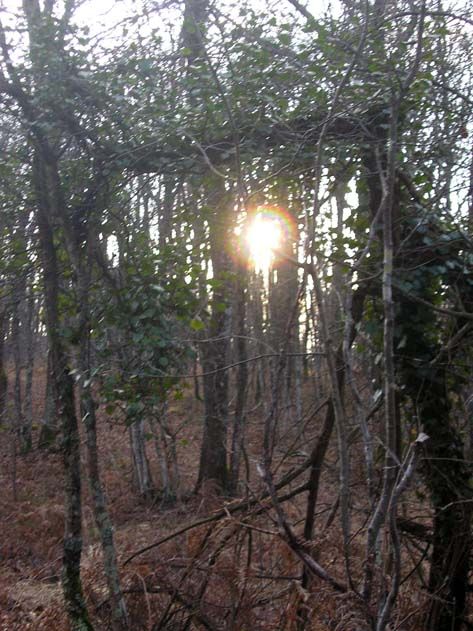
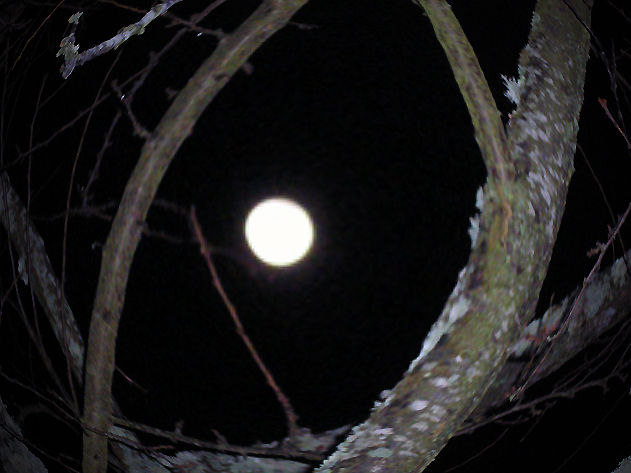
Buscando puertas entre los mundos
~Forêt de Bouconne le 18 janvier 2009~
~Puerta de la luz~

~Porte d'Eros~

LA PUERTA DEL SOL 02.01.09
~Forêt de Bouconne ~

~Puerta de la luz~

~Porte d'Eros~

LA PUERTA DEL SOL 02.01.09
~Forêt de Bouconne ~
dimanche 9 août 2009
Kala Ramnath
Kala Ramnath with Subhankar Banerjee playing the ending portions of the concert.........
mardi 4 août 2009
lundi 3 août 2009

samedi 1 août 2009
Carmen Mondragón (Nahui Olin, documental)
 |
| Nahui Olin, fotografia de Antonio Garduño |
Documental sobre la vida de Carmen Mondragón (Nahui Ollin), hecho en 1995 en la UDLA-Puebla por Javier Méndez y Ana Franca Álvarez para la clase de Video 1.
Segunda parte del documental sobre la vida de Carmen Mondragón (Nahui Ollin), hecho en 1995 en la UDLA-Puebla por Javier Méndez y Ana Franca Álvarez para la clase de Video 1.
Tercera parte del documental sobre la vida de Carmen Mondragón (Nahui Ollin), hecho en 1995 en la UDLA-Puebla por Javier Méndez y Ana Franca Álvarez para la clase de Video 1.
 |
| Nahui Olin en Nautla, fotografia de Antonio Garduño |
Luzmila Carpio
Winay Llaqta
"Winay Llaqta" (People of Eternity) is a song written and composed by Luzmila Carpio in quechua and aymara langages. Her lyrics deal with the nature which is a divinity called Pachamama (Mother Earth).
About Luzmila Carpio
The Voice of the Andes is the nickname given to the Bolivian singer, Luzmila Carpio, by her most praise worthy admirers.
A current star in traditional music of the Andes, Luzmila Carpio has gained international praise for her traditional Quechua songs, tunes that have brought indigenous Bolivian culture and history to the world.
Luzmila Carpio is a descendant of the men and women who built one of humanity's greatest civilizations and whose empire glowed with all its splendor just before disappearing, a victim of the Spanish invasion.
Born in a small village perched in the Andes Mountains, she has been taught from childhood the secrets of Aymara and Quechua traditional women's singing and became increasingly conscious of her cultural heritage.
From 1969, when she recorded her first song titles, until today, Luzmila has gone on to become the Queen of Bolivian singing and has already recorded over fifteen albums four of which have been awarded gold discs.
She has won the admiration of the public by the exceptional purity of her voice, capable of rising to unimaginable heights; and by the high quality of her repertoire, nourished from the purist of sources of a tradition lost in the shrouds of time. Her singing is unlike any other you may heard from Latin America. It has the unique ring of a people fighting for its survival and dignity, the ring of truth.
Her creative work, inspired by the highest sources, is reminiscent of a fresh breeze flowing through octaves with the ease of flight, revealing an ancient knowledge that touches our hearts.
"I use the language and music of my people, that of the Indian land, of our mountains, of our lakes, of the air we breathe. I sing my love for the land which witnessed my birth, the land of my ancestors. I speak of Pachamama, Mother Earth, of harmony and love, of the role of women in our civilization, of coexistence between man and nature within a cosmic order, of our traditions, which must not be lost."
On April 21, 2006, Evo Morales appointed Luzmila Carpio as Bolivia's ambassador to France.
"Winay Llaqta" (People of Eternity) is a song written and composed by Luzmila Carpio in quechua and aymara langages. Her lyrics deal with the nature which is a divinity called Pachamama (Mother Earth).
About Luzmila Carpio
The Voice of the Andes is the nickname given to the Bolivian singer, Luzmila Carpio, by her most praise worthy admirers.
A current star in traditional music of the Andes, Luzmila Carpio has gained international praise for her traditional Quechua songs, tunes that have brought indigenous Bolivian culture and history to the world.
Luzmila Carpio is a descendant of the men and women who built one of humanity's greatest civilizations and whose empire glowed with all its splendor just before disappearing, a victim of the Spanish invasion.
Born in a small village perched in the Andes Mountains, she has been taught from childhood the secrets of Aymara and Quechua traditional women's singing and became increasingly conscious of her cultural heritage.
From 1969, when she recorded her first song titles, until today, Luzmila has gone on to become the Queen of Bolivian singing and has already recorded over fifteen albums four of which have been awarded gold discs.
She has won the admiration of the public by the exceptional purity of her voice, capable of rising to unimaginable heights; and by the high quality of her repertoire, nourished from the purist of sources of a tradition lost in the shrouds of time. Her singing is unlike any other you may heard from Latin America. It has the unique ring of a people fighting for its survival and dignity, the ring of truth.
Her creative work, inspired by the highest sources, is reminiscent of a fresh breeze flowing through octaves with the ease of flight, revealing an ancient knowledge that touches our hearts.
"I use the language and music of my people, that of the Indian land, of our mountains, of our lakes, of the air we breathe. I sing my love for the land which witnessed my birth, the land of my ancestors. I speak of Pachamama, Mother Earth, of harmony and love, of the role of women in our civilization, of coexistence between man and nature within a cosmic order, of our traditions, which must not be lost."
On April 21, 2006, Evo Morales appointed Luzmila Carpio as Bolivia's ambassador to France.
jeudi 16 juillet 2009


La connaissance de l'union des deux semences conduit à la libération de cette vie
La semence qui est le point-limite entre deux états est de deux sortes,
une blanche et une rouge.
La blanche est le sperme, la rouge le flot de sang. Ce sang qui se trouve
dans le centre de la vulve (prés du centre de base) a la couleur de corail.
(C’est le Principe Féminin, le Principe Vital.) Le sperme, le Point-limite
(ou Principe Mental) a son origine dans le centre Lunaire entre les sourcils.
L’union des deux principes subtils est une réalisation difficile.
Le sperme correspond à l’être, à Shiva, le flot de sang à l’énergie, Shakti.
Le point-limite est le Principe Lunaire, le sang, le Principe Solaire.
Le mélange des deux, produit un corps transcendant. Quand la Semence rouge,
stimulée par le vent qui la porte, s’unit au Principe Solaire dans l’espace (de la
tête) un corps divin est formé. Dans la semence blanche est la Lune, dans la
semence rouge, le Soleil.
Celui qui a réalisé l’union des deux en une seule perception est arrivé au secret
même du Yoga.
(Extrait d’une Upanishad du Yoga, traduite du Sanscrit par Alain Daniélou.
« Les Cahiers du Sud, « Yoga, science de l’homme intégral » 1953).

The reddish brown color of the woman (priestess, goddess) probably indicates that she is menstruating. She holds two tridents (symbol of Shiva) in her hands but touches two lingams with her feet; while her yoni is approached by more lingams. The nose of Shiva (blue face) is a lingam; his lolling tonge (often said to be a phallic symbol) seems to continue into the lingam on the woman's chest; possibly indicating cunnilingus. The whole seems to suggest a sexual ritual with several man focusing on one woman; especially the powers of her menstrual yoni.
une blanche et une rouge.
La blanche est le sperme, la rouge le flot de sang. Ce sang qui se trouve
dans le centre de la vulve (prés du centre de base) a la couleur de corail.
(C’est le Principe Féminin, le Principe Vital.) Le sperme, le Point-limite
(ou Principe Mental) a son origine dans le centre Lunaire entre les sourcils.
L’union des deux principes subtils est une réalisation difficile.
Le sperme correspond à l’être, à Shiva, le flot de sang à l’énergie, Shakti.
Le point-limite est le Principe Lunaire, le sang, le Principe Solaire.
Le mélange des deux, produit un corps transcendant. Quand la Semence rouge,
stimulée par le vent qui la porte, s’unit au Principe Solaire dans l’espace (de la
tête) un corps divin est formé. Dans la semence blanche est la Lune, dans la
semence rouge, le Soleil.
Celui qui a réalisé l’union des deux en une seule perception est arrivé au secret
même du Yoga.
(Extrait d’une Upanishad du Yoga, traduite du Sanscrit par Alain Daniélou.
« Les Cahiers du Sud, « Yoga, science de l’homme intégral » 1953).

The reddish brown color of the woman (priestess, goddess) probably indicates that she is menstruating. She holds two tridents (symbol of Shiva) in her hands but touches two lingams with her feet; while her yoni is approached by more lingams. The nose of Shiva (blue face) is a lingam; his lolling tonge (often said to be a phallic symbol) seems to continue into the lingam on the woman's chest; possibly indicating cunnilingus. The whole seems to suggest a sexual ritual with several man focusing on one woman; especially the powers of her menstrual yoni.
Essence Ov The Moon In Tantric Way
The sacred lingam of Shiva, clearly identified by the two tridents,
surrounded by four symbols of the yoni.
Above the lingam a moon, not always a female symbol.
In the tantric alchemy of the Tamil Siddhas,
for example, male semen is known as essence of the moon (Tamil "velli").

AMANTA MURTI
Amanta-murti la Forme Cosmique.
L'univers est fait de vibrations suggérées
par la musique et les couleurs,
des ondes dynamiques de contours accordés.
Cette image archétype,
comme le groupe compact des galaxies,
donne une idée des processus
de manifestation.

Olivier Messiaen - Appel Interstellaire - Interstellar Call
L'univers est fait de vibrations suggérées
par la musique et les couleurs,
des ondes dynamiques de contours accordés.
Cette image archétype,
comme le groupe compact des galaxies,
donne une idée des processus
de manifestation.

Olivier Messiaen - Appel Interstellaire - Interstellar Call
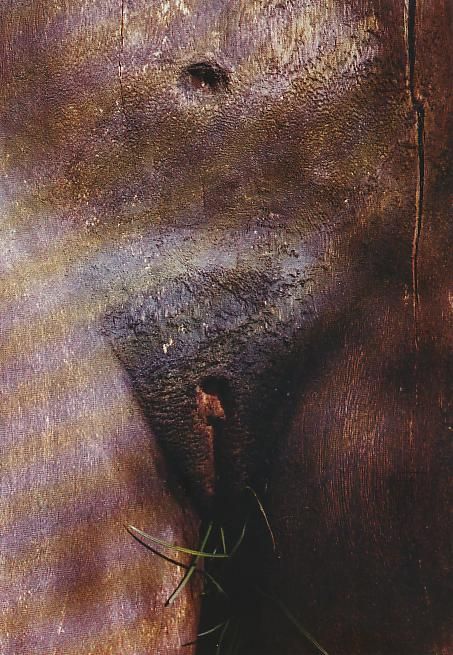
Yoni
L'organe féminin (yoni) est pris comme symbole de l'énergie
féminine transcendentale (prakriti) : chacun incorpore
l'énergie de la substance primordiale qui est à la base de toute
création. La matrice transcendentale de la prakritri introduit le
processus du devenir, eveillant ainsi les forces cosmiques.
Passant de l'équilibre à la création, ces énergies-forces
évoluent et se transforment jusqu'à dissoudre l'univers une fois
encore dans son fondement originel, non manifesté.

Andhra Pradesh, 19ème siècle. Détail d'une statuette en bois peint.
féminine transcendentale (prakriti) : chacun incorpore
l'énergie de la substance primordiale qui est à la base de toute
création. La matrice transcendentale de la prakritri introduit le
processus du devenir, eveillant ainsi les forces cosmiques.
Passant de l'équilibre à la création, ces énergies-forces
évoluent et se transforment jusqu'à dissoudre l'univers une fois
encore dans son fondement originel, non manifesté.
Andhra Pradesh, 19ème siècle. Détail d'une statuette en bois peint.
Satprem
 Interview avec SATPREM par David Montemurri India 1981
 As I started - stupidly - the recording of the interview Satprem by the end... I invite you to look (listen) the first part of the elements that have been registered in french.
An exciting and moving interview which, moreover, is quite topical!
Satprem, whose real name Bernard Enginger, born in Paris on October 30, 1923 and died on April 9, 2007, is a french writer.
Student Jesuit college in Amiens, it is returned. He continued his secondary education in a school Parisian bachelor until then integrates a preparatory class at school coloniale.Il then enters a network of resistance of the Bordeaux region. He was arrested by the Gestapo at the age of twenty years and spent a year and a half in the concentration camp at Mathausen. He was then found in Upper Egypt, then India, the Government of Pondicherry. He met Aurobindo Ghose and Mirra Alfassa (Mother).
Their message, "the man is a transition" gives meaning to his life. He resigned settlements and hand in Guyana where he spends a full year in virgin forest, and then in Brazil and Africa.
In 1953, at the age of thirty years, he returned permanently to India to one that sought the secret passage to the next case, Mirra Alfassa "the Mother, whom he became the confidant and the witness for nearly twenty years. It would present one that will remain his companion until his death, Sujata Nahar in 1954.
On March 3, 1957, Mirra Alfassa (Mother) gave him his name, Satprem ( "the one who really loves")
Satprem died on April 9, 2007.
His companion Sujata Nahar died after his May 4, 2007.
To learn more about life and his work Satprem : http://fr.wikipedia.org/wiki/Satprem
SATPREM "Om Namo Bhagavate"
OM NAMO BHAGAVATE (mantra)
(1) om´ namo bhagavate tasmai yata etac cid-atmakam purus?ayadi-bijaya paresayabhidhimahi
(2) yasminn idam´ yatas cedam´ yenedam´ ya idam´ svayam yo 'smat parasmac ca paras tam´ prapadye svayambhuvam
(3) yah? svatmanidam´ nija-mayayarpitam´ kvacid vibhatam´ kva ca tat tirohitam aviddha-dr?k saks?y ubhayam´ tad iks?ate sa atma-mulo 'vatu mam´ parat-parah?
(4) kalena pañcatvam ites?u kr?tsnaso lokes?u pales?u ca sarva-hetus?u tamas tadasid gahanam´ gabhiram´ yas tasya pare 'bhivirajate vibhuh?
(5) na yasya deva r?s?ayah? padam´ vidur jantuh? punah? ko 'rhati gantum iritum yatha nat?asyakr?tibhir vices?t?ato duratyayanukraman?ah? sa mavatu
(6) didr?ks?avo yasya padam´ sumangalam´ vimukta-sanga munayah? susadhavah? caranty aloka-vratam avran?am´ vane bhutatma-bhutah? suhr?dah? sa me gatih?
(7) na vidyate yasya ca janma karma va na nama-rupe gun?a-dos?a eva va tathapi lokapyaya-sambhavaya yah? sva-mayaya tany anukalam r?cchati
(8) tasmai namah? paresaya brahman?e 'nanta-saktaye arupayoru-rupaya nama ascarya-karman?e
(9) nama atma-pradipaya saks?in?e paramatmane namo giram´ viduraya manasas cetasam api
(10) sattvena pratilabhyaya nais?karmyen?a vipascita namah? kaivalya-nathaya nirvan?a-sukha-sam´vide
(11) namah? santaya ghoraya mud?haya gun?a-dharmin?e nirvises?aya samyaya namo jñana-ghanaya ca
(12) ks?etra-jñaya namas tubhyam´ sarvadhyaks?aya saks?in?e purus?ayatma-mulaya mula-prakr?taye namah?
(13) sarvendriya-gun?a-dras?t?re sarva-pratyaya-hetave asata cchayayoktaya sad-abhasaya te namah?
(14) namo namas te 'khila-karan?aya nis?karan?ayadbhuta-karan?aya sarvagamamnaya-maharn?avaya namo 'pavargaya parayan?aya
(15) gun?aran?i-cchanna-cid-us?mapaya tat-ks?obha-visphurjita-manasaya nais?karmya-bhavena vivarjitagama- svayam´-prakasaya namas karomi
(16) madr?k prapanna-pasu-pasa-vimoks?an?aya muktaya bhuri-karun?aya namo 'layaya svam´sena sarva-tanu-bhr?n-manasi pratita- pratyag-dr?se bhagavate br?hate namas te
(17) atmatma-japta-gr?ha-vitta-janes?u saktair dus?prapan?aya gun?a-sanga-vivarjitaya muktatmabhih? sva-hr?daye paribhavitaya jñanatmane bhagavate nama isvaraya
(18) yam´ dharma-kamartha-vimukti-kama bhajanta is?t?am´ gatim apnuvanti kim´ casis?o raty api deham avyayam´ karotu me 'dabhra-dayo vimoks?an?am
(19) ekantino yasya na kañcanartham´ vañchanti ye vai bhagavat-prapannah? aty-adbhutam´ tac-caritam´ sumangalam´ gayanta ananda-samudra-magnah?
(20) tam aks?aram´ brahma param´ paresam avyaktam adhyatmika-yoga-gamyam atindriyam´ suks?mam ivatiduram anantam adyam´ paripurn?am id?e
(21) yasya brahmadayo deva veda lokas caracarah? nama-rupa-vibhedena phalgvya ca kalaya kr?tah?
(22) yatharcis?o 'gneh? savitur gabhastayo niryanti sam´yanty asakr?t sva-rocis?ah? tatha yato 'yam´ gun?a-sampravaho buddhir manah? khani sarira-sargah?
(23) sa vai na devasura-martya-tiryan na stri na s?an?d?ho na puman na jantuh? nayam´ gun?ah? karma na san na casan nis?edha-ses?o jayatad ases?ah?
(24) jijivis?e naham ihamuya kim antar bahis cavr?tayebha-yonya icchami kalena na yasya viplavas tasyatma-lokavaran?asya moks?am
(25) so 'ham´ visva-sr?jam´ visvam avisvam´ visva-vedasam visvatmanam ajam´ brahma pran?ato 'smi param´ padam
(26) yoga-randhita-karman?o hr?di yoga-vibhavite yogino yam´ prapasyanti yogesam´ tam´ nato 'smy aham
(27) namo namas tubhyam asahya-vega- sakti-trayayakhila-dhi-gun?aya prapanna-palaya duranta-saktaye kad-indriyan?am anavapya-vartmane
(28) nayam´ veda svam atmanam´ yac-chaktyaham´-dhiya hatam tam´ duratyaya-mahatmyam´ bhagavantam ito 'smy aham
SEPT JOURS EN INDE AVEC SATPREM (1980)
Inscription à :
Articles (Atom)